Blood and plasma donation centers
 Blood and plasma donation centers
A Calmer Chair Is a Retention Tool
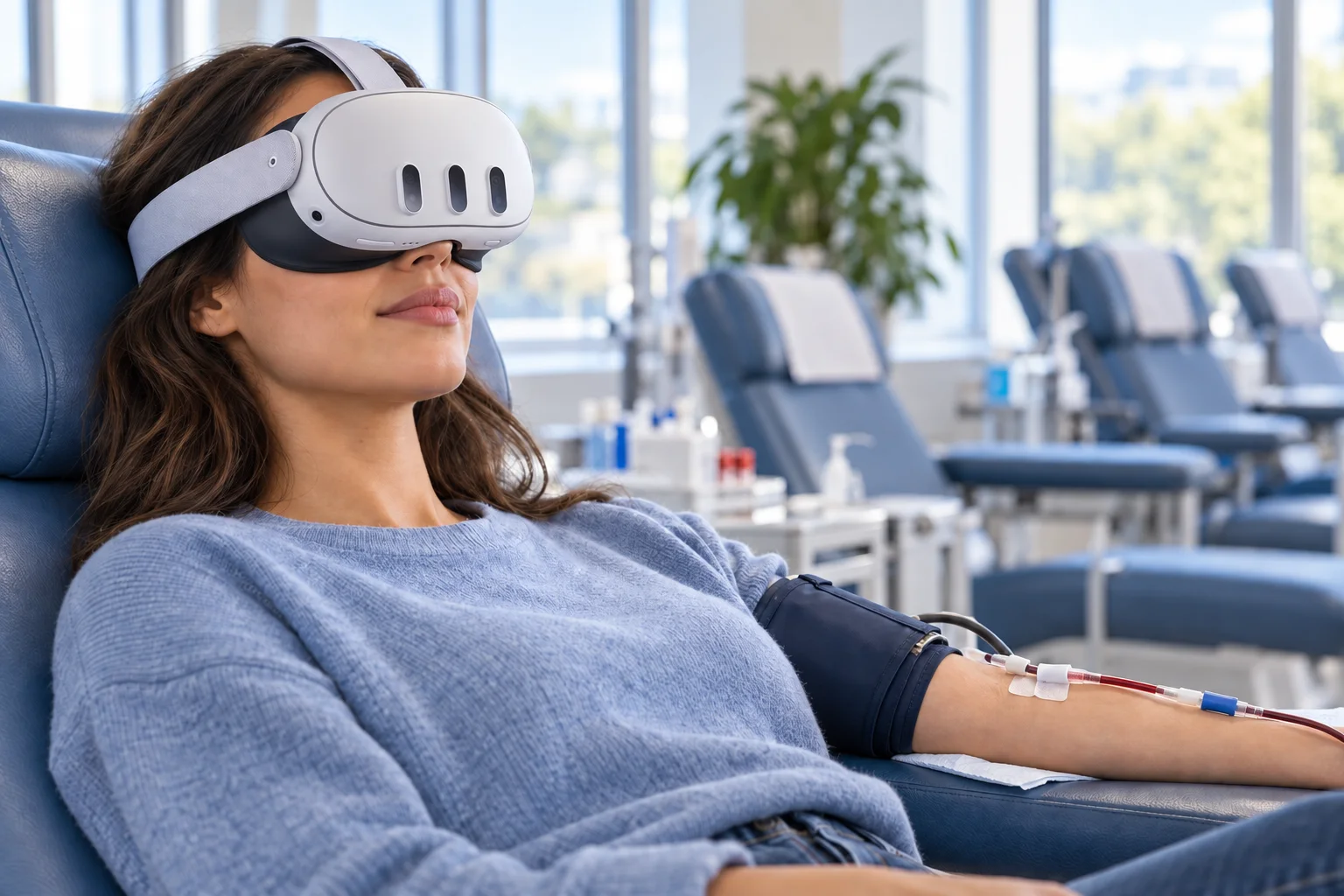
Most first-time donors do not become regular donors, and the experience in the chair is a large part of why. SendorVR turns the most uncomfortable minutes of a donation into something the donor can talk about afterwards.
What Makes This Setting Hard
First-time donors are the most anxious and the least likely to return
Needle fear is common in young adults, the group donation centers most want to recruit. A first visit that felt long and frightening rarely produces a second.
Feeling faint is the memory that sticks
Vasovagal reactions are more likely in anxious and first-time donors, and even a mild one is the story a donor tells their friends. Fear is one of the triggers, and it is the one a center can do something about.
Staff cannot sit with every nervous donor
On a busy drive, one phlebotomist may be watching several chairs. A calm donor who is not watching the needle is one fewer thing to manage.
How SendorVR Fits the Workflow
No medication, no clinical intervention, and no change to how the procedure is done. Four steps, about thirty seconds of staff time.
- 1
Offer at screening
Ask one question at registration: would you like to use the headset? Donors who say yes are usually the ones who needed it.
- 2
Fit before the tourniquet
Start the experience before the arm is prepared. The donor never watches the needle go in.
- 3
Insert and monitor as usual
The donor can hear the room and answer questions. Staff monitor the arm and the donor exactly as before.
- 4
Remove when settled, wipe, repeat
Many donors take the headset off once the flow is established; some keep it on. Wipe the cover and it is ready for the next chair.
What the Research Says
SendorVR is a comfort aid, not a treatment, and it has not been trialled on its own. The published evidence below is what it is designed around. Every citation links to the original publication.
Meta-analysis · 2019
Needle fear affects 20 to 30% of young adults and the majority of children, and it drives measurable avoidance.
119 studies reviewed. Avoidance of influenza vaccination because of needle fear was reported by 16% of adult patients and 27% of hospital employees.
McLenon & Rogers, Journal of Advanced NursingRead the publication
Experimental study · 2004
Stronger presence in the virtual world was associated with greater reductions in reported pain.
Presence, the feeling of being inside the virtual environment, tracked the size of the pain reduction in immersive VR experiments.
Hoffman et al., University of WashingtonRead the publication
Practical Details
About 30 seconds
Fit the headset, tap start, carry on.
Any staff member
Kiosk mode, one app, nothing to configure.
Wipe and go
Wipeable face cover and cleaning kit included.
Ages 10 and up
Follows the headset maker's guidance.
Always optional
Patients choose; some prefer to watch.
Frequently Asked Questions
Can staff still watch the donor's face for reactions?
Yes. The headset covers the eyes, not the mouth, colour or breathing, and donors respond normally to questions. Staff use the same warning signs they always have, and the donor can remove the headset at any time.
Does VR reduce fainting?
We do not claim that. Vasovagal reactions have several triggers, and hydration, positioning and applied muscle tension remain the evidence-based measures. SendorVR addresses the fear and the sight of the needle, which are among those triggers.
How long does a donor keep the headset on?
As long as they like. The experience is designed for short moments and loops calmly, so it works for the needle insertion alone or for the first several minutes of a donation.
How is hygiene handled on a mobile drive?
The Clinical Kit includes a wipeable face cover, a cleaning kit and a hard-shell case. Wipe between donors as you would any shared surface; the headset needs no network to run.
Is there evidence for VR during blood donation specifically?
The VR distraction evidence is strongest in children during needle procedures. Adult evidence is smaller and mixed, and SendorVR has not been trialled in donation centers. We position it as a comfort aid, and we would welcome a center that wants to measure it.
Related Reading
Other Settings
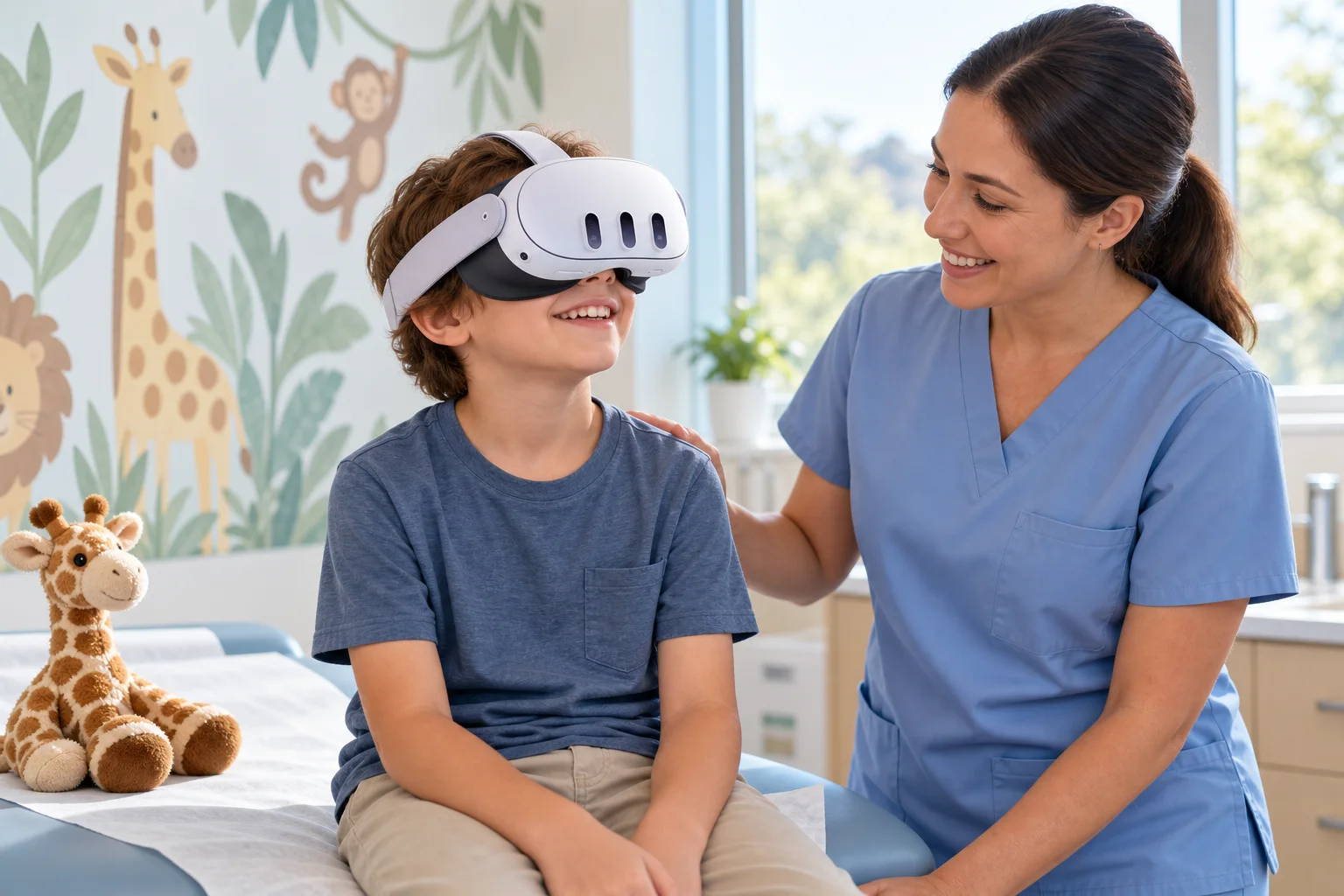
Pediatric departments
Shots, blood draws and the fear that arrives before the tray does. Built for children ten and up and the staff who look after them.
See how it fits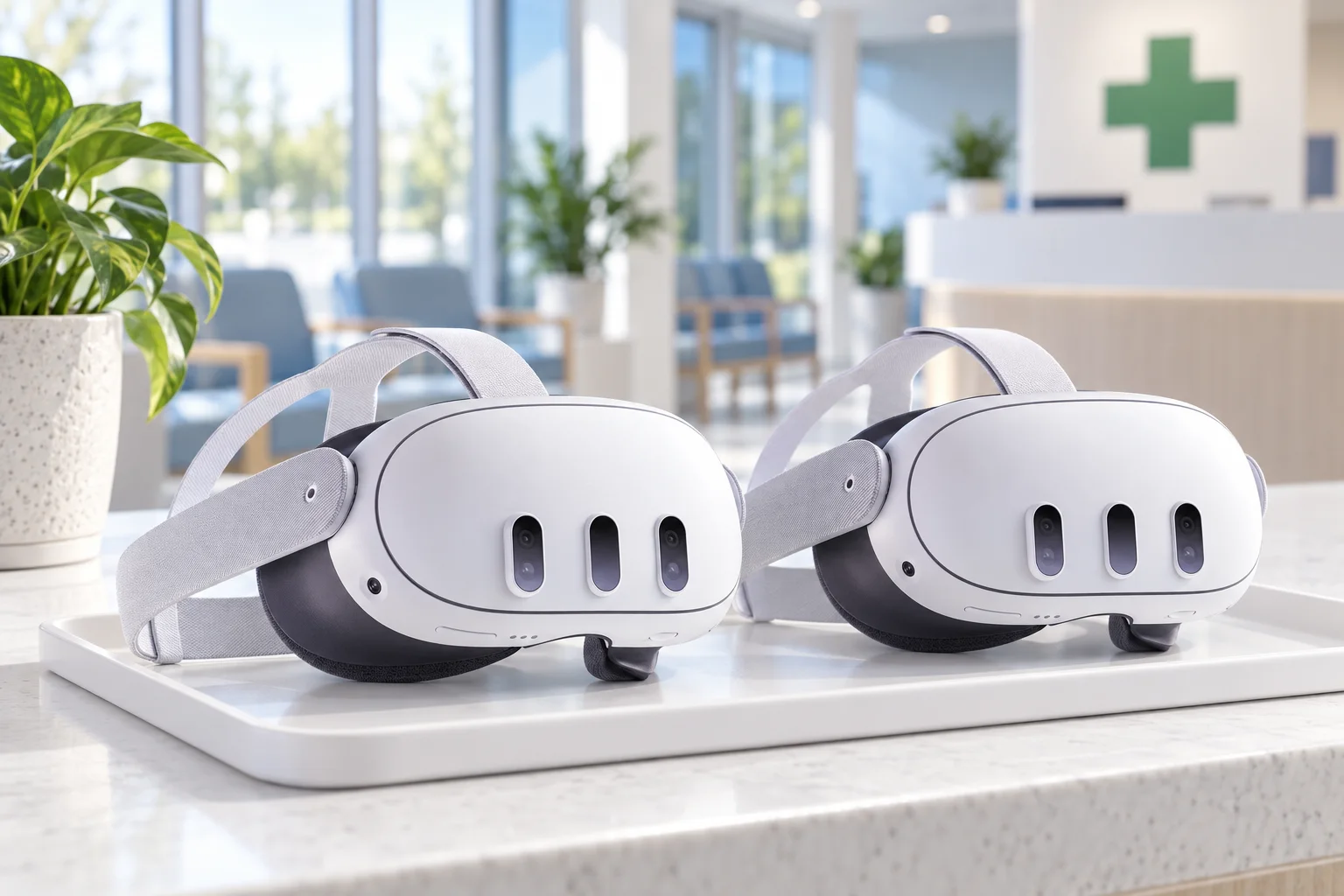
Clinics
Flu seasons, routine injections and the anxious patient who stalls the line. Comfort that fits a five-minute slot.
See how it fits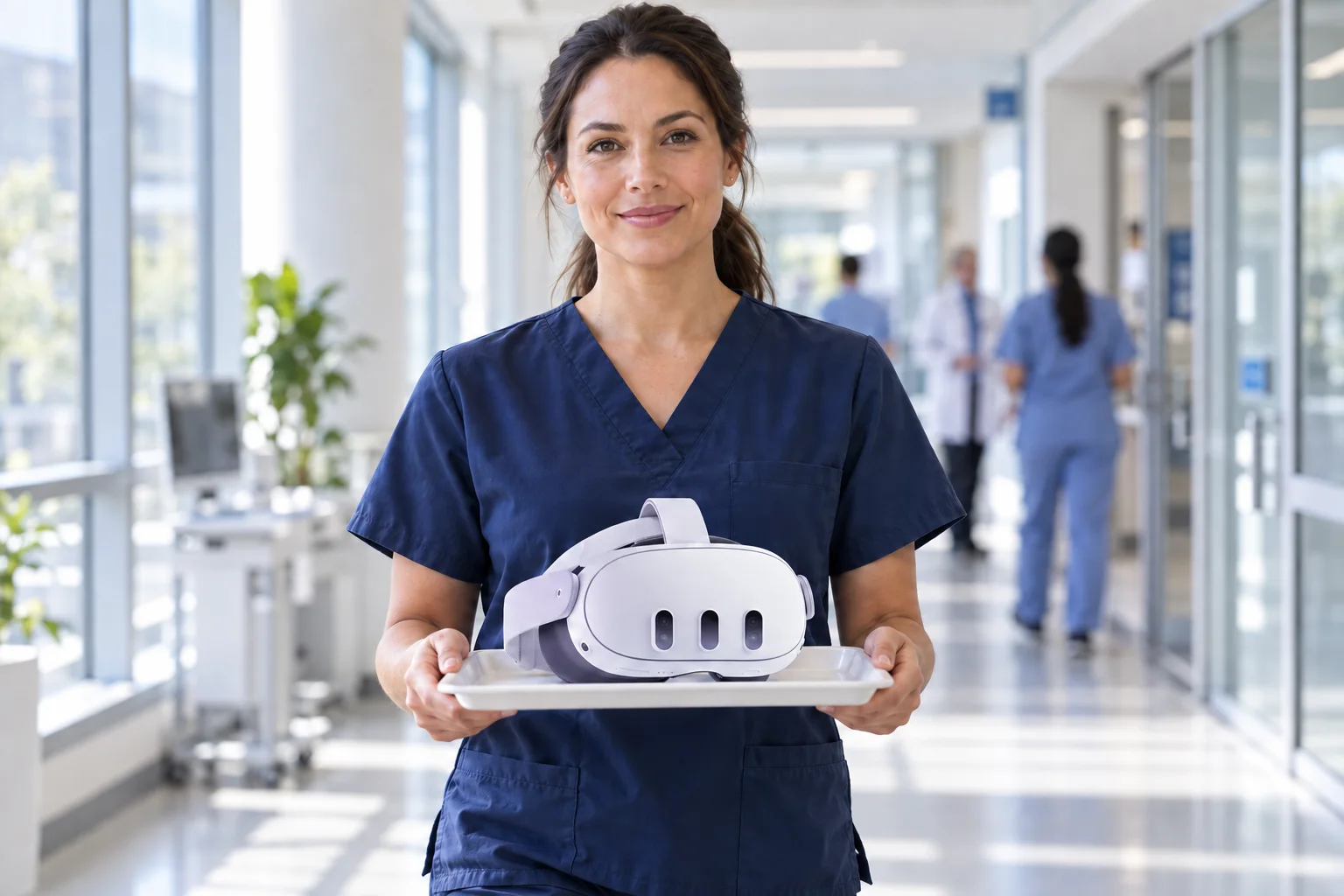
Hospitals
Repeatable comfort across departments, from phlebotomy to day wards, with kiosk-locked headsets and no IT project.
See how it fits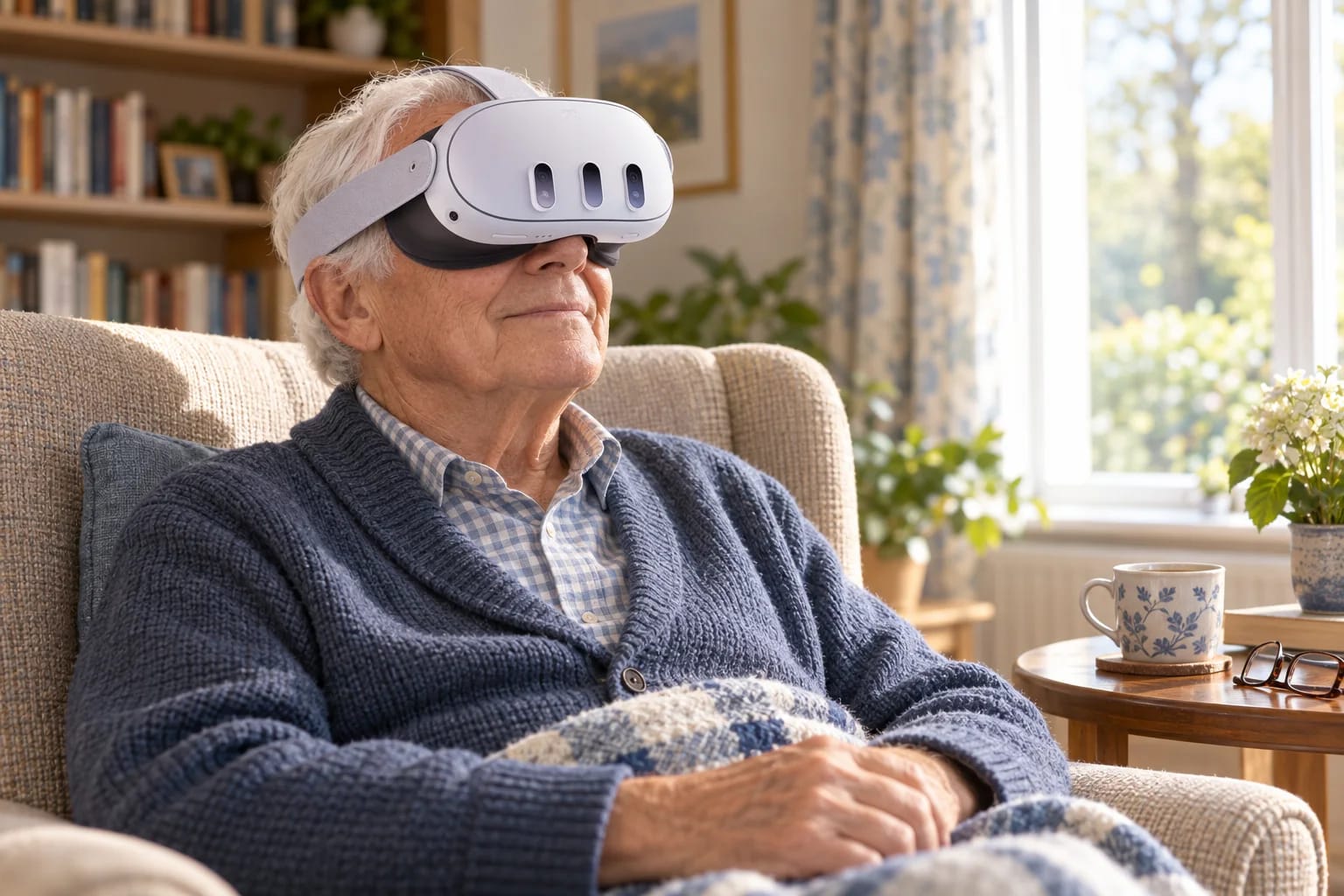
Elderly care homes
Gentle, staff-led immersion for residents facing routine injections and blood tests in a familiar room.
See how it fits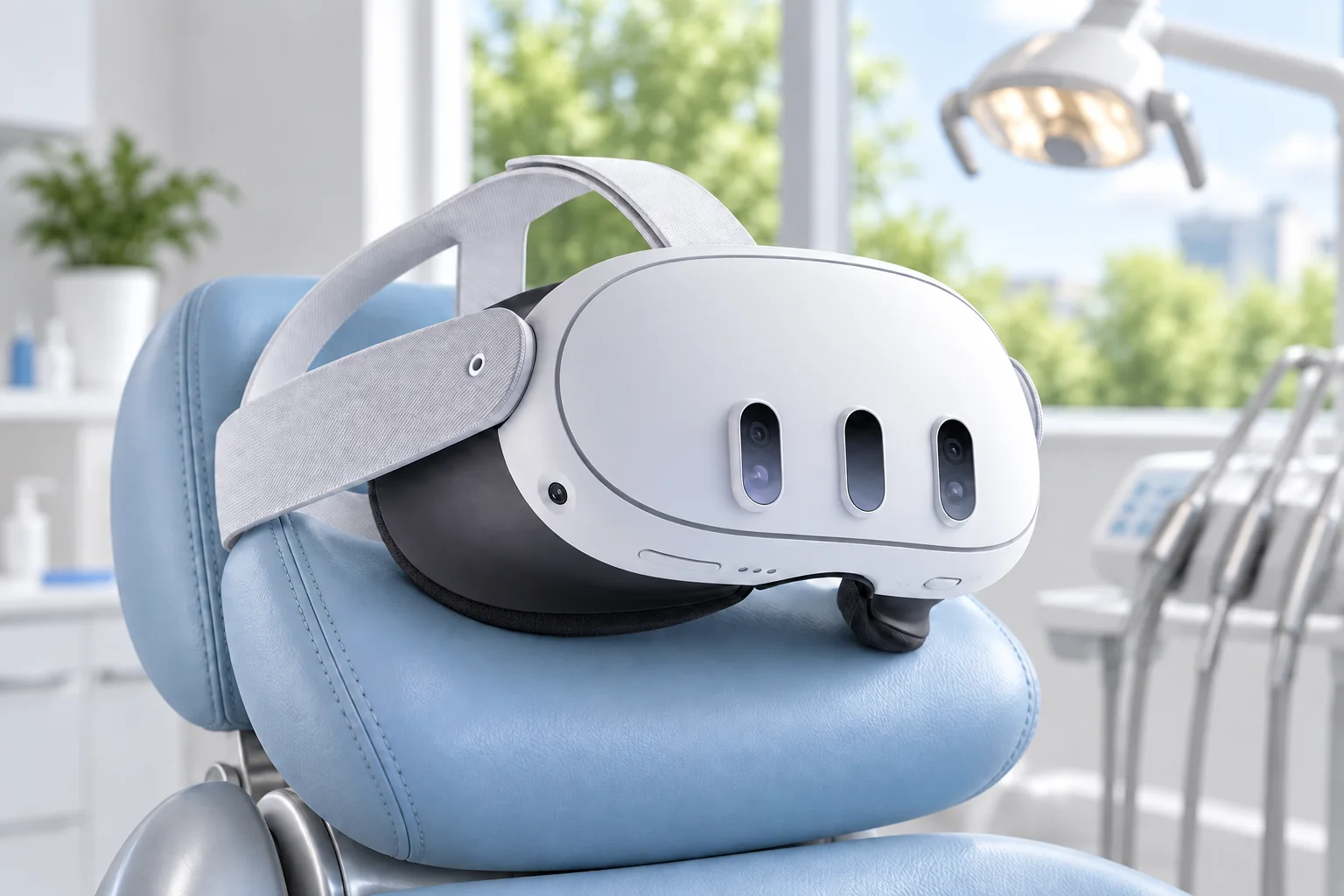
Dental clinics
Local anaesthetic is the moment many patients dread most. Give their attention somewhere else to be.
See how it fits
 Pediatric departments
 Clinics
 Hospitals
 Elderly care homes
 Dental clinics

See How SendorVR Works in Your Clinic
Book a short demo with our team to see how SendorVR can be deployed in your environment.